



Welding Capabilities: Laser Welding, Resistance Welding and Traditional

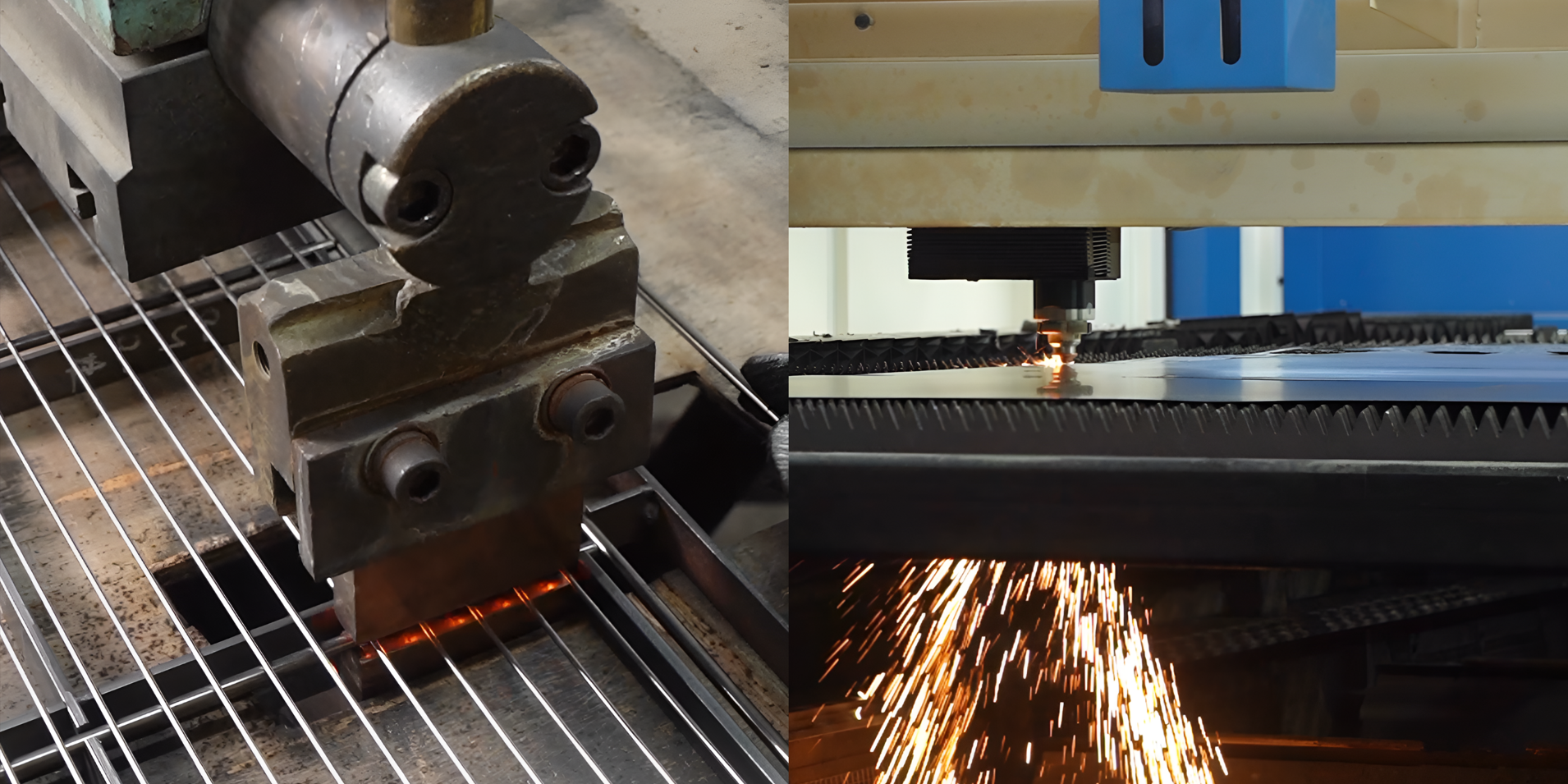
To efficiently produce products of various shapes while ensuring quality, applying different welding methods is a common choice for OEM metal factories.
On ATA’s production line, resistance welding is typically used for wire products, laser welding is commonly applied to sheet metal products.
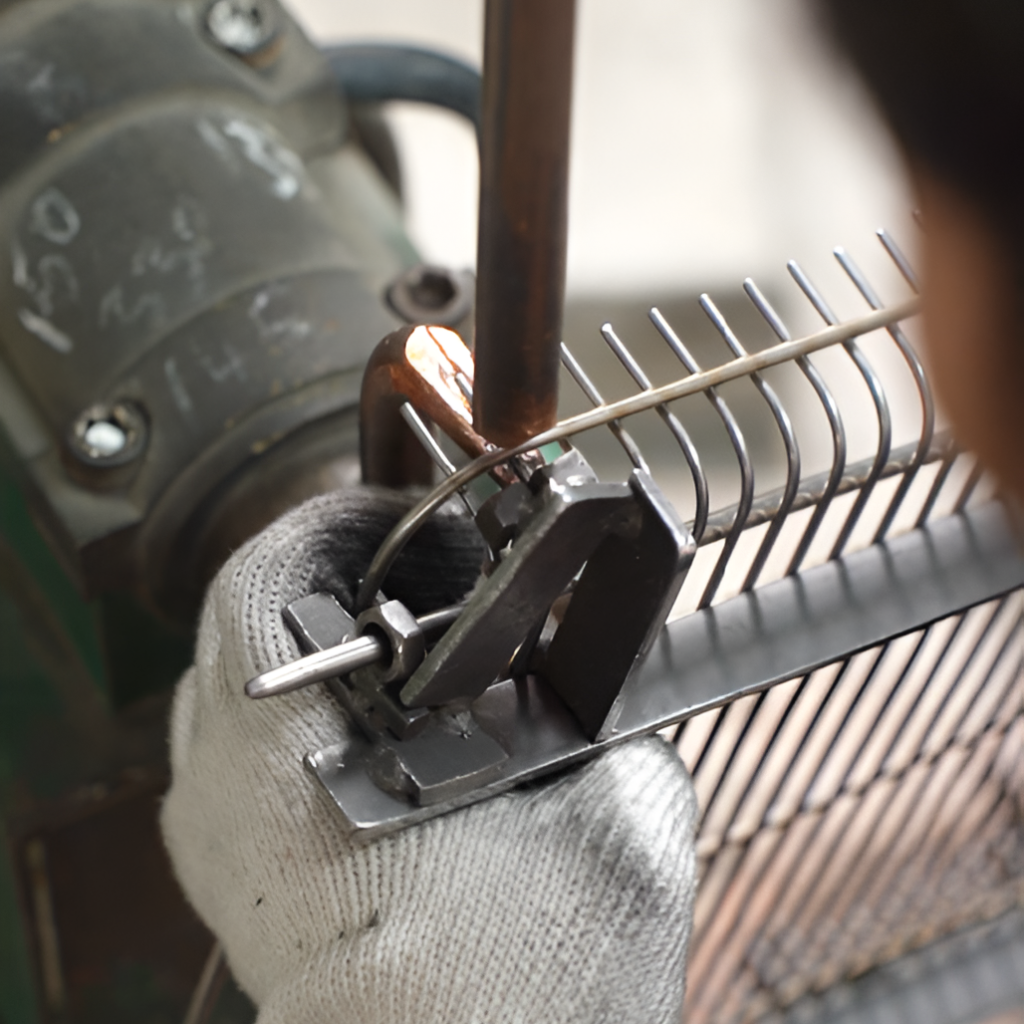
– Wire Products and Resistance Spot Welding
Resistance spot welding works by passing electric current through the contact point between two materials, generating localized heat to fuse them together. The high resistance at the contact point generates heat, melting the materials locally and forming the weld.
Our factory is equipped with a large-scale layout of resistance spot welding machines, and equipment maintenance is systematically managed. Resistance spot processing is well-suited for wire products, where multiple weld points are required in a consistent, repeatable pattern.
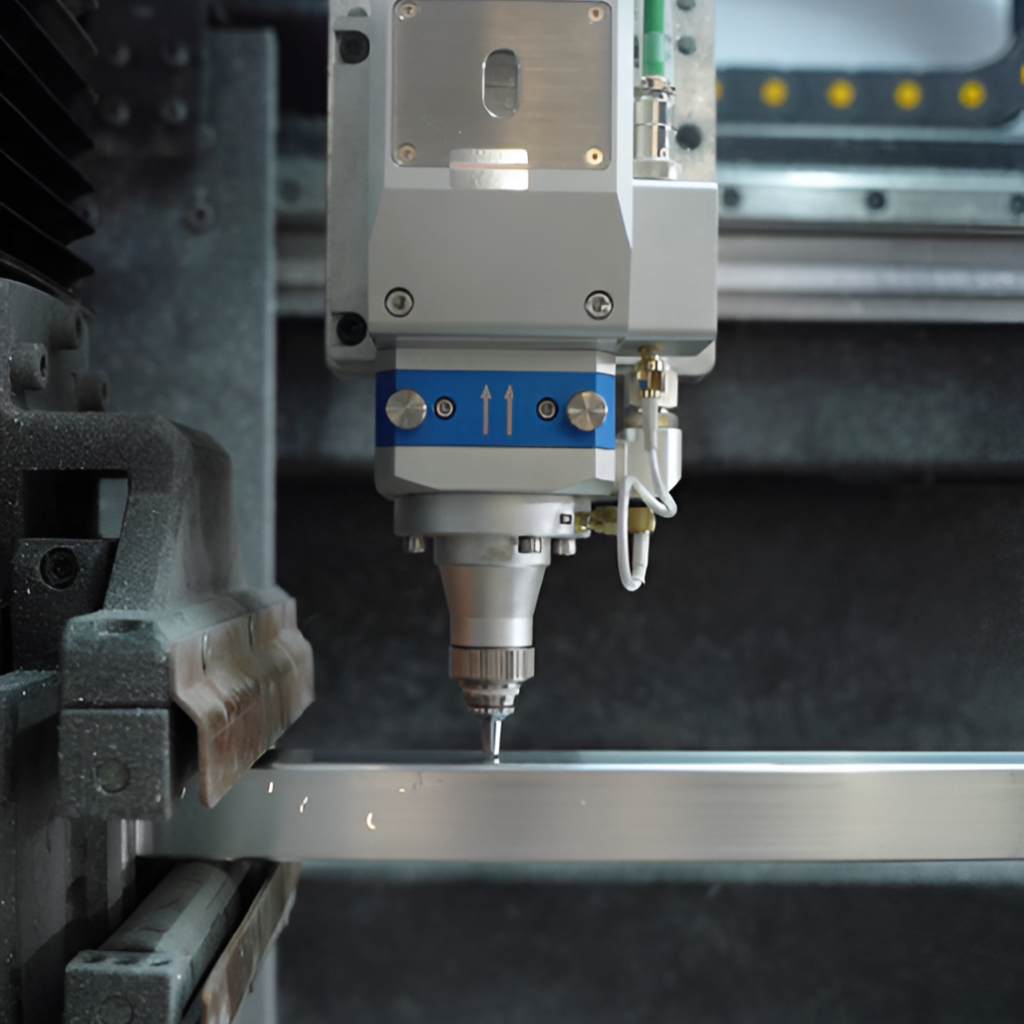
– Sheet Metal Products and Laser Welding
Laser welding works by focusing a laser beam onto the material surface, melting and joining the metals at that point. For sheet metal parts requiring continuous, sealed weld seams, laser processing provides the consistency and automation that production demands.
Both welding methods produce small heat-affected zone, ensuring weld strength while largely preserving the product’s aesthetic appearance. To see these processes in action, follow us for factory footage and production updates.
For the products made of thicker materials, traditional welding methods such as TIG welding can provide better connection stability.
If your product has other special welding requirements, please feel free to discuss them with us.