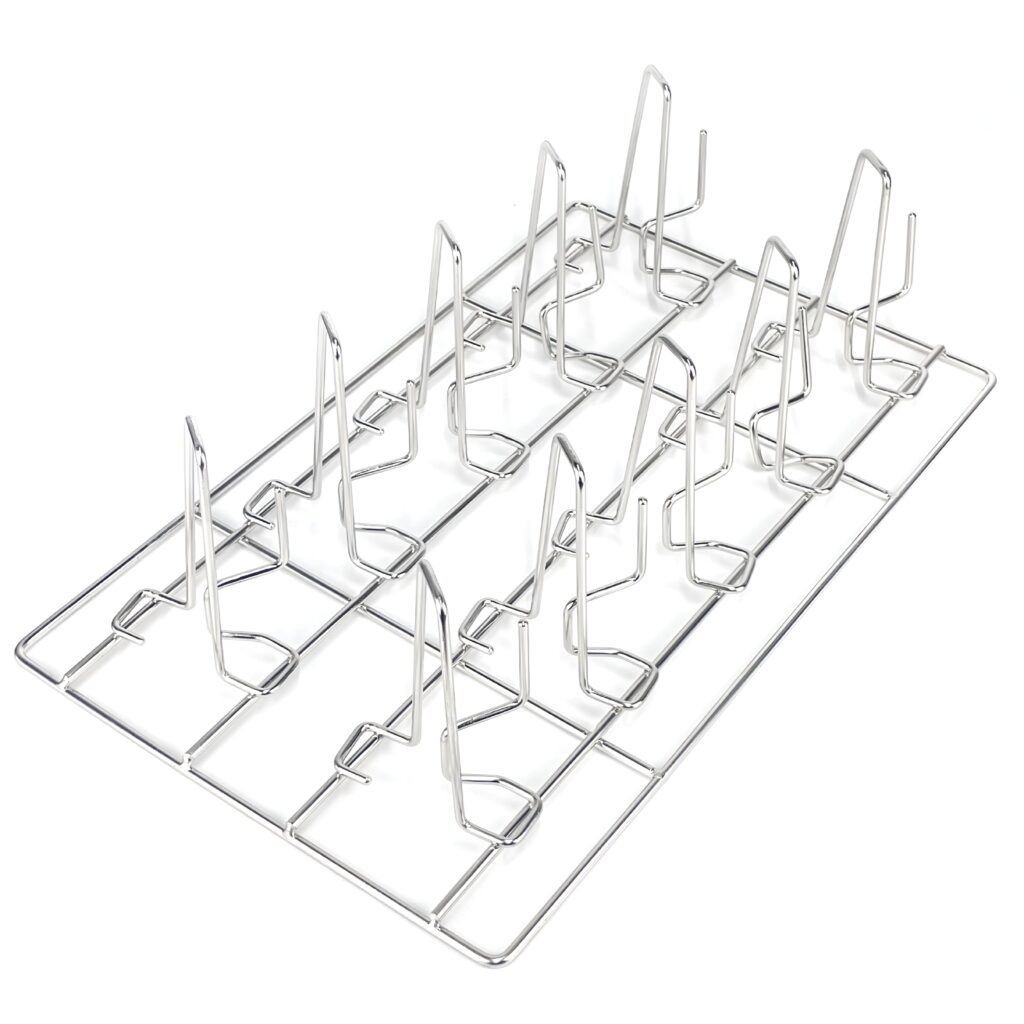



OEM Manufacturing Process: What happens after sending product drawings?

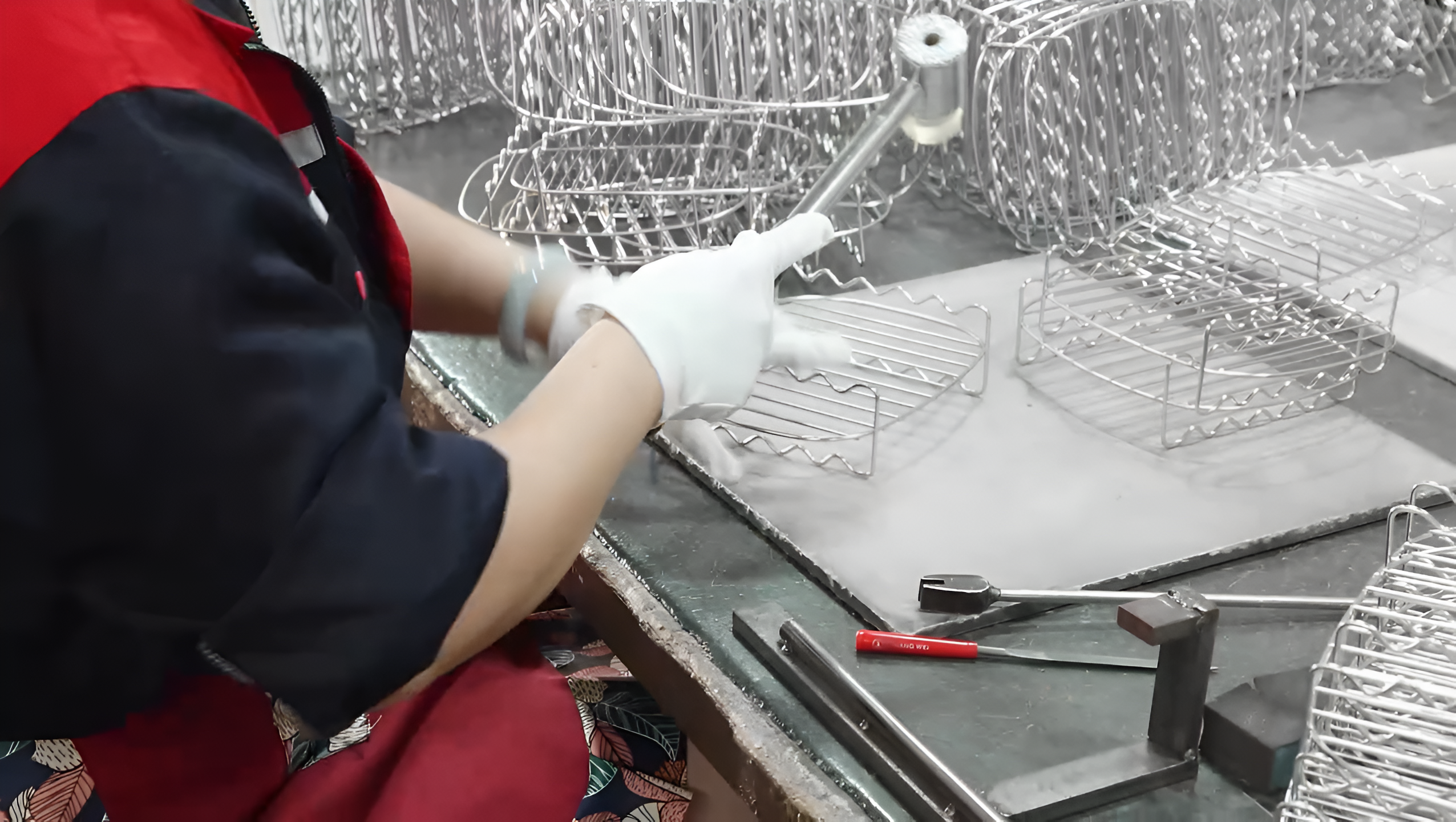
Sending product drawings marks the starting point of OEM manufacturing process.
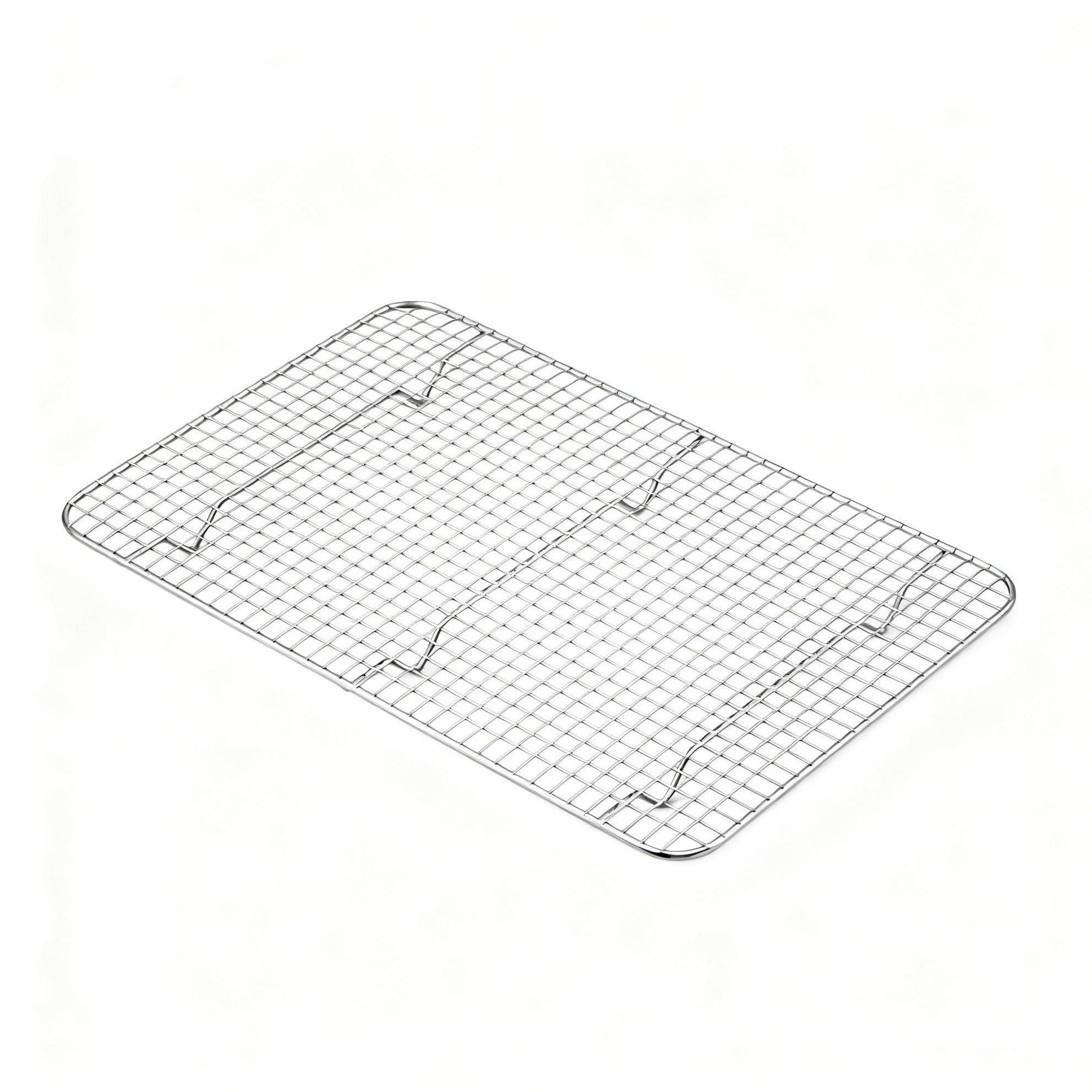
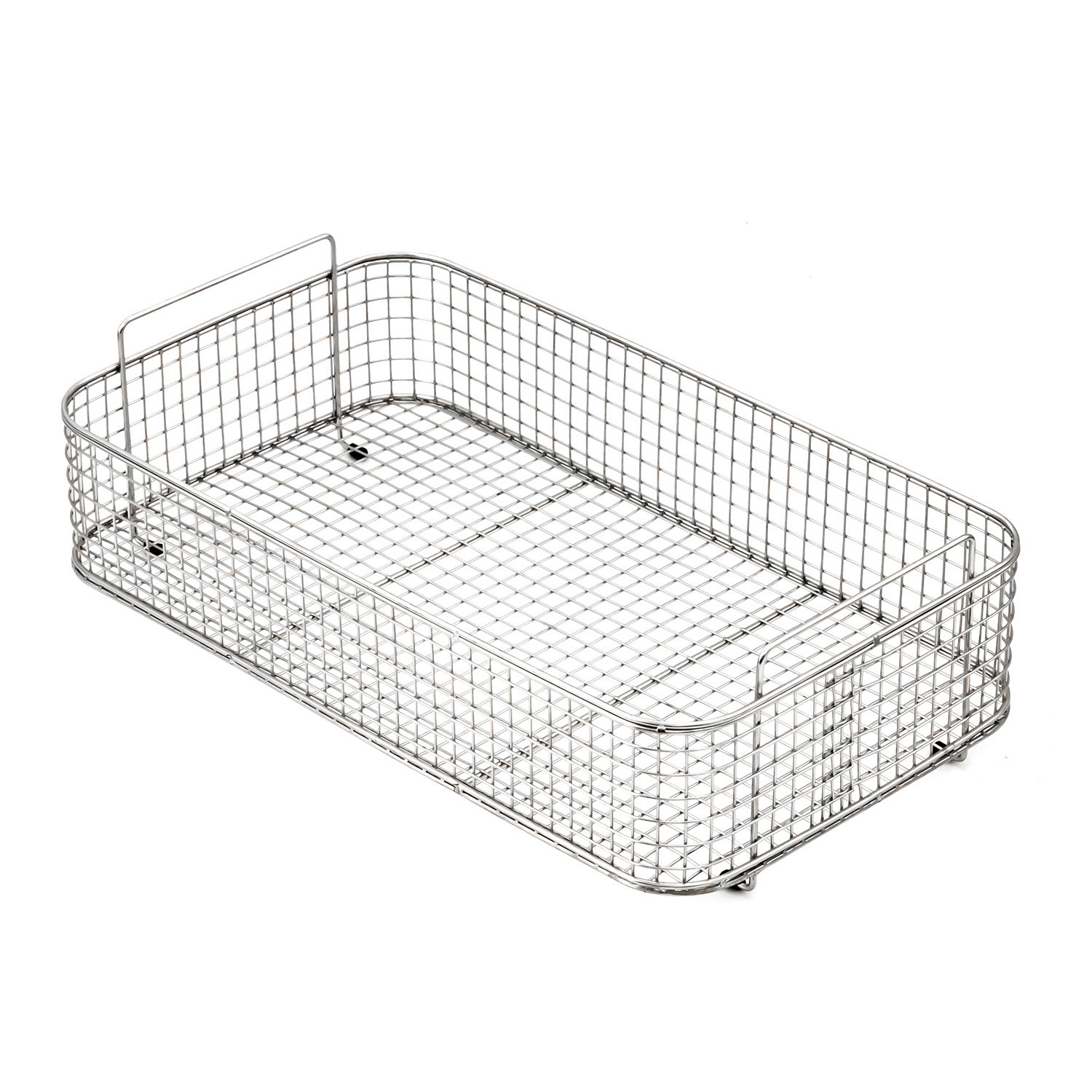
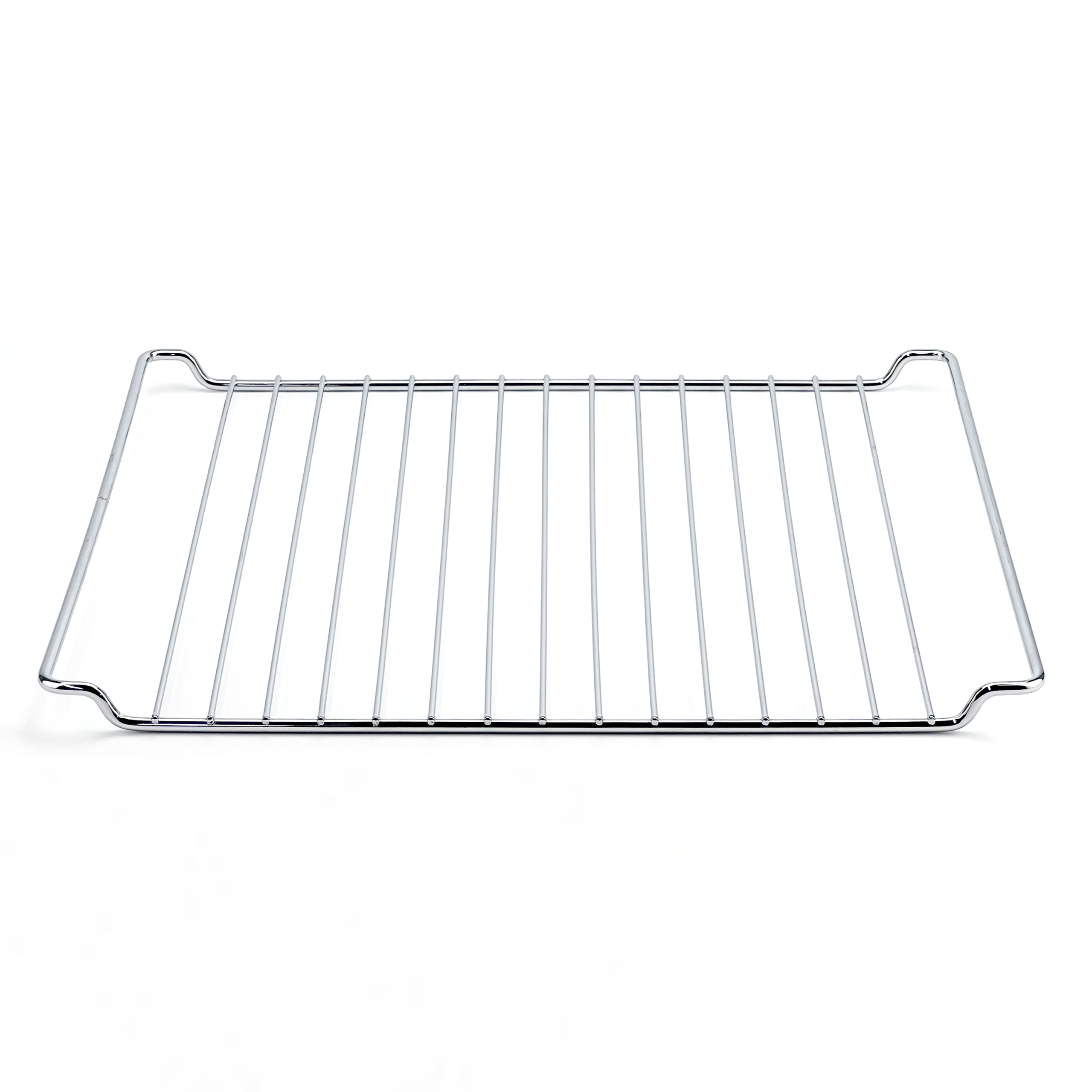
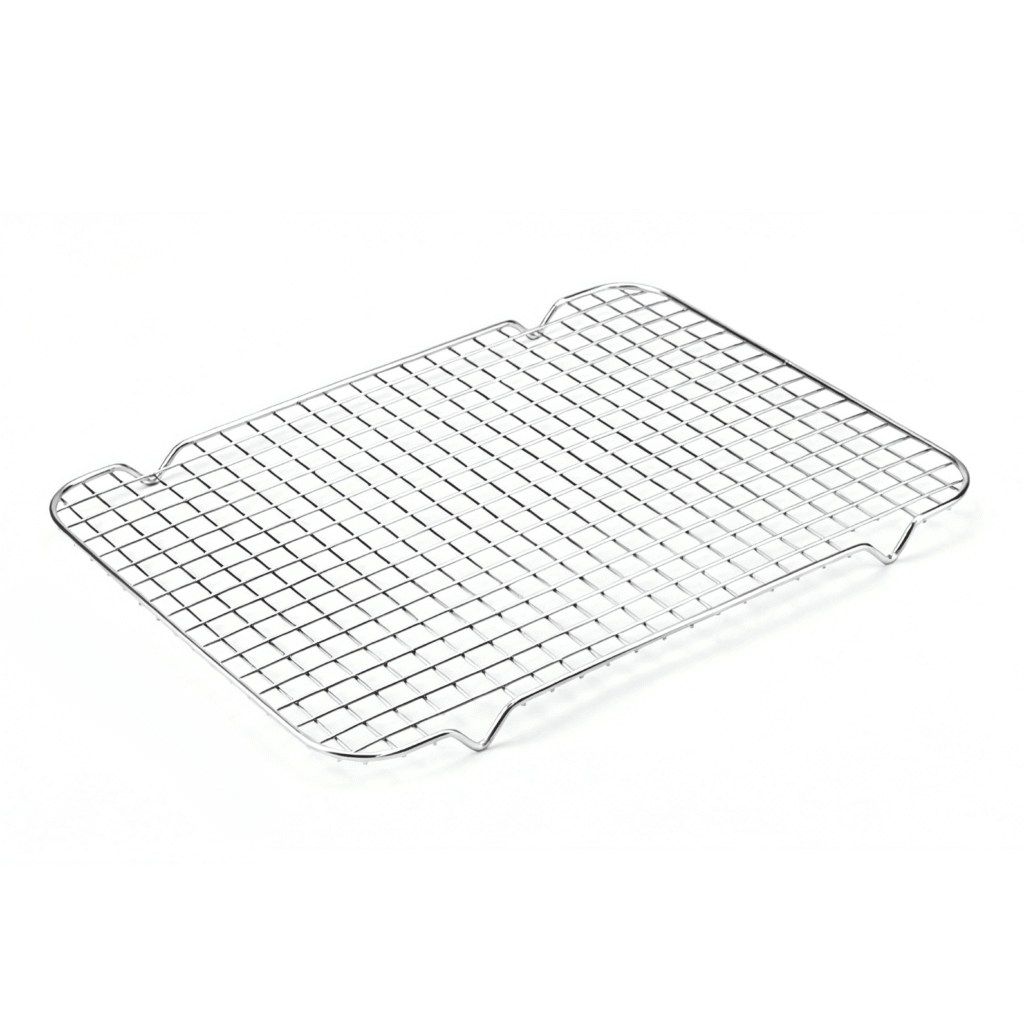
For custom metal wire and sheet metal products, a set of drawings typically goes through several stages, including engineering evaluation, quotation, sample and production preparation, to confirm that the product can be manufactured in accordance with the design requirements.
Step 1 – Product Drawing Review and Engineering Assessment
In OEM manufacturing process, upon receipt of CAD drawings, 3D models, or physical samples from the client, the engineering team conducts a comprehensive technical review.
This evaluation generally addresses the following considerations:
· Manufacturability of the product structure
· Appropriateness of product dimensions and tolerances
· Is stainless steel or carbon steel the right material for the intended application?
· Whether the welded structure is suitable for mass production
· Do the surface treatment methods meet the process requirements?
If the design present challenges related to manufacturing complexity, cost implications, or process constraints, our team typically proposes recommendations and collaborates with client to finalize the production approach.
Step 2 – Quotation Analysis
Following the technical assessment, a detailed quotation is developed based on the specifications outlined in the drawings.
This quotation accounts for various factors, including:
· Raw material expenses
· Manufacturing process complexity
· Labor costs associated with welding and assembly
· Costs related to molds or jigs if necessary
· Surface treatment expenses
· Packaging and transportation requirements
· Order volume
Due to differences in production methods, the cost structures for prototyping, small-batch production and mass production will typically vary.
Step 3 – DFM Optimisation
Subsequent to the initial assessment, certain projects undergo a Design for Manufacturability (DFM) analysis aimed at optimizing the design.
Typical modifications include:
· Adjusting soldering locations
· Reducing superfluous solder joints
· Enhancing structural stability
· Minimizing deformation risks under thermal or mechanical stress
· Simplifying production processes
Step 4 – Metal Wire and Sheet Metal Sample Production
When all the details have been confirmed, the project moves into the next phase.
This sample processes including material cutting, forming, welding, surface treatment, cleaning and inspection.
Completed samples serve to confirm product dimensions, load-bearing capacity, structural integrity, and performance under actual usage conditions. Based on testing outcomes and clients’ feedback, necessary adjustments could be made before mass production.
Step 5 – Production Plan and Quality Control
Once the samples are approved, our OEM project advances to the mass production preparation.
At this stage, schedules are developed according to the delivery time. Equipment and production processes are configured either.
Quality inspection standards are established based on the final drawings, tolerance specifications and critical dimensions. Such as IQC (Incoming Quality Control), IPQC (In-Process Quality Control) and FQC (Final Quality Control).
Step 6 – Packaging and Shipping
Common packaging options include cartons, plastic bags or other customized packaging solutions.
The shipment are arranged according to the trade terms (such as EXW, FOB, CIF, etc.), with container loading plans developed in consideration of product dimensions and packaging layout.
Foshan ATA METAL has more than 10 years of experience in OEM projects for custom metal wire and sheet metal products.